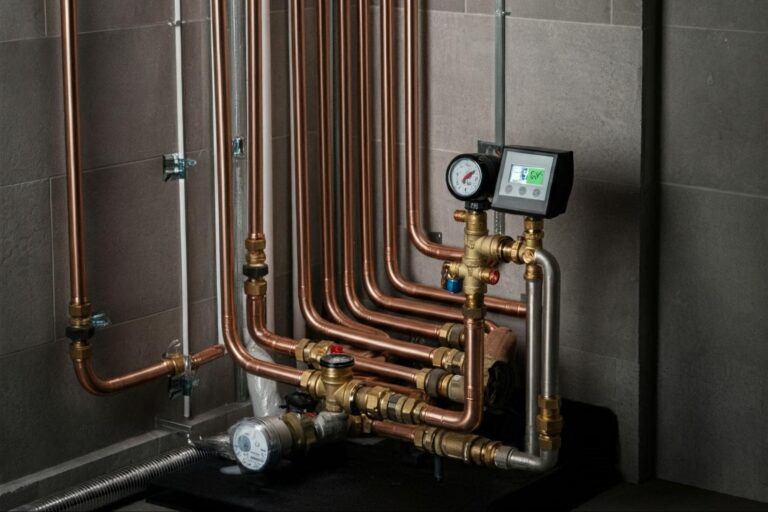
In the world of industrial processes and fluid control, valves play a crucial role in regulating flow, pressure, and direction. Among the various types of valves, globe valves stand out for their versatility, precise throttling capabilities, and reliable performance. This comprehensive guide will delve into the intricacies of globe valves, exploring their different types, common applications, and essential maintenance practices to ensure their longevity and optimal performance.
What is a Globe Valve?
A globe valve is a linear motion valve that uses a movable plug or disc to regulate flow. It gets its name from its globular body shape, which houses the valve’s internal components. The valve’s design allows for precise throttling, making it suitable for applications where accurate flow control is required.
Types of Globe Valves
Globe valves come in various configurations, each with its own unique characteristics and applications:
1. Tee Pattern Globe Valves
This is the most common type of globe valve, featuring a T-shaped body with the stem perpendicular to the flow path. It offers good throttling capabilities and is suitable for a wide range of applications.
2. Angle Pattern Globe Valves
In this design, the inlet and outlet ports are at a 90-degree angle, allowing for more compact installation and reduced pipe stress. They are often used in applications with limited space or where flow direction changes are required.
3. Wye Pattern Globe Valves
Wye pattern globe valves have a Y-shaped body, offering a straighter flow path compared to tee pattern valves. This design reduces pressure drop and is often preferred for high-pressure applications.
4. Needle Valves
Needle valves are a specialized type of globe valve with a long, tapered needle-shaped plug. They provide exceptionally precise throttling and are often used in applications requiring fine flow control, such as metering and instrumentation.
Applications of Globe Valves
Globe valves are widely used in various industries and applications, including:
1. Power Generation
In power plants, globe valves are used to control steam flow, water flow, and other critical processes. Their ability to handle high temperatures and pressures makes them suitable for demanding power generation applications.
2. Oil and Gas Industry
Globe valves are extensively used in oil and gas production, refining, and transportation. They control the flow of crude oil, natural gas, and other hydrocarbons, ensuring safe and efficient operations.
3. Chemical Processing
In chemical plants, globe valves regulate the flow of various chemicals, ensuring precise control and preventing hazardous situations. They are often used for throttling, isolation, and flow regulation in chemical processes.
4. Water and Wastewater Treatment
Globe valves are employed in water treatment plants to control water flow, regulate pressure, and isolate sections of the system for maintenance or repair. They are also used in wastewater treatment for similar purposes.
5. HVAC Systems
In heating, ventilation, and air conditioning (HVAC) systems, globe valves control the flow of hot and cold water or steam, regulating temperature and ensuring efficient operation.
6. General Industrial Applications
Globe valves are used in various general industrial applications, such as manufacturing, food processing, and pharmaceuticals, for controlling the flow of liquids, gases, and slurries.
Maintenance of Globe Valves
Proper maintenance is crucial for ensuring the longevity and optimal performance of globe valves. Here are some essential maintenance practices:
1. Regular Inspection
Inspect the valve regularly for any signs of leaks, wear, or damage. Pay attention to the stem, packing, and seat, as these are common areas prone to wear.
2. Lubrication
Lubricate the stem and other moving parts regularly to prevent friction and ensure smooth operation. Use a lubricant compatible with the valve’s materials and the fluids being handled.
3. Packing Adjustment
If the valve is leaking around the stem, tighten the packing nut to prevent further leakage. Be careful not to overtighten, as this can damage the stem or impede valve operation.
4. Seat and Disc Replacement
If the valve is not sealing properly, the seat or disc may be worn or damaged. Replace these components as needed to ensure tight shut-off and prevent leaks.
5. Cleaning
Clean the valve periodically to remove any debris or buildup that can hinder its operation. Use a suitable cleaning agent compatible with the valve’s materials and the fluids being handled.
Conclusion
Globe valves are versatile and reliable components in fluid control systems, offering precise throttling, reliable shut-off, and long service life. By understanding their different types, applications, and maintenance requirements, you can ensure their optimal performance and prevent costly downtime. Remember, investing in quality globe valves and adhering to proper maintenance practices will pay dividends in the long run, ensuring efficient and reliable operation for years to come.
About the Author