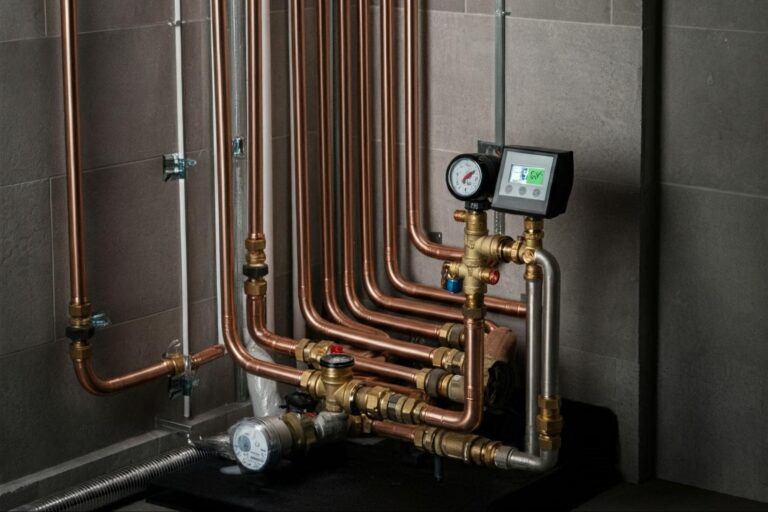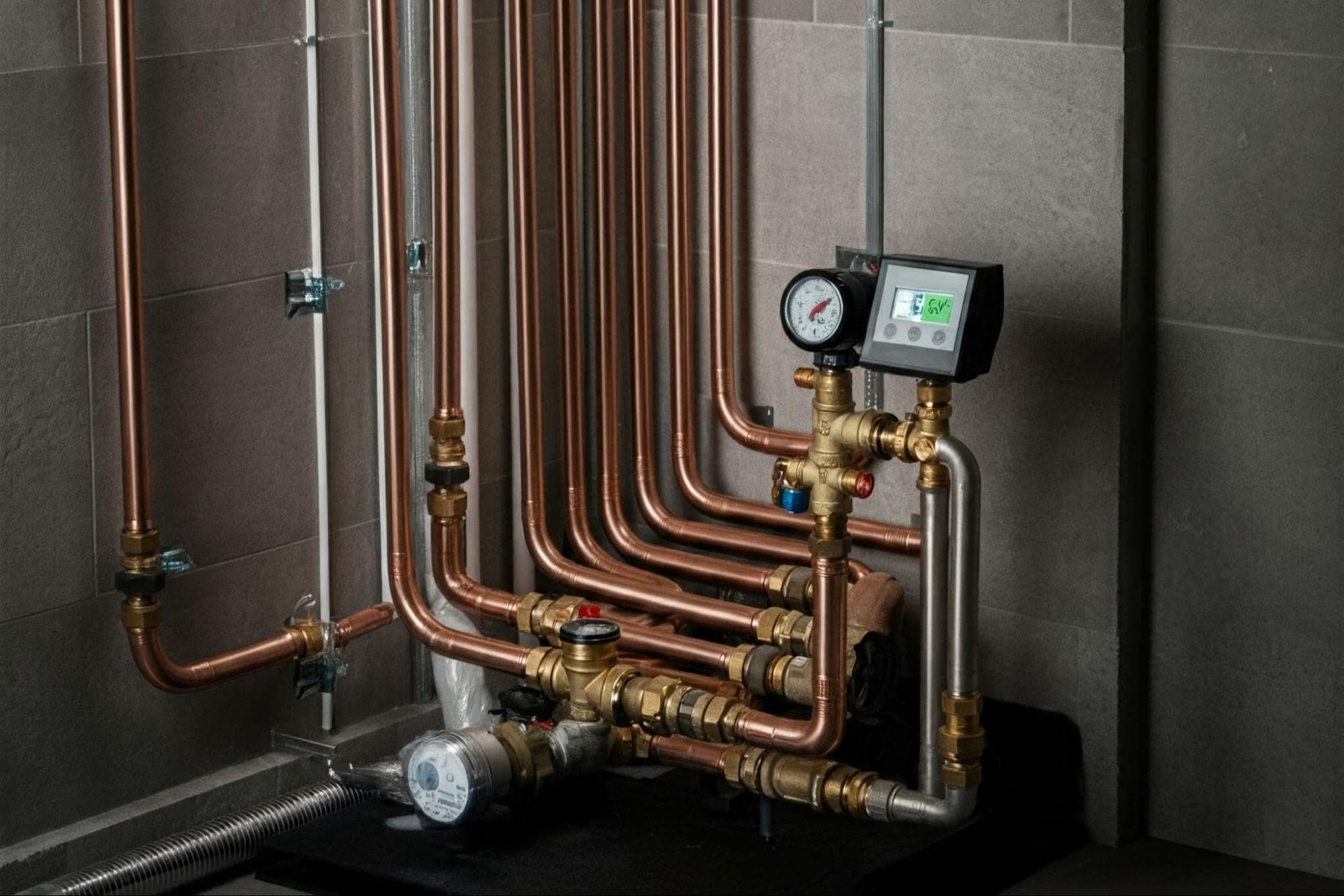
When it comes to heating your home, comfort and efficiency are top priorities. While traditional forced-air systems have been the standard for many years, hydronic heating systems offer a compelling alternative. These systems provide a unique combination of cozy warmth, even heat distribution, and energy efficiency, making them an attractive option for homeowners seeking optimal comfort and reduced energy bills.
What is Hydronic Heating?
Hydronic heating systems utilize water as the medium to distribute heat throughout your home. Instead of blowing hot air through ducts, these systems rely on a network of pipes to circulate heated water, providing radiant warmth that permeates your living spaces.
How Hydronic Heating Works
The core components of a hydronic heating system include:
1. Boiler
The boiler is the heart of the system, responsible for heating the water. Boilers can run on various fuels, including natural gas, propane, and electricity.
2. Pumps
Pumps circulate the heated water throughout the network of pipes.
3. Pipes
Pipes carry the heated water to the heat emitters throughout your home. These pipes can be installed beneath floors, within walls, or along baseboards.
4. Heat Emitters
Heat emitters release the warmth from the heated water into your living spaces. Common types of heat emitters include:
- Radiators: These are typically wall-mounted units that radiate heat into the room.
- Baseboard Heaters: These are installed along the baseboards and provide a more discreet heating solution.
- Radiant Floor Heating: This involves embedding pipes beneath the floor, providing warmth from the ground up.
Advantages of Hydronic Heating
Hydronic heating systems offer several advantages over traditional forced-air systems:
1. Even Heat Distribution
Hydronic systems provide more even heat distribution compared to forced-air systems, which can create hot and cold spots. Radiant heat warms objects and surfaces directly, resulting in a more consistent and comfortable temperature throughout your home.
2. Improved Indoor Air Quality
Unlike forced-air systems that can circulate dust, allergens, and other airborne particles, hydronic heating doesn’t rely on air movement. This can be beneficial for people with allergies or respiratory sensitivities.
3. Energy Efficiency
Water is a more efficient medium for heat transfer than air. Hydronic systems can operate at lower temperatures while still providing comfortable warmth, resulting in reduced energy consumption and lower heating bills.
4. Quiet Operation
Hydronic systems operate silently, unlike forced-air systems that can produce noise from the blower and ductwork. This creates a more peaceful and relaxing home environment.
5. Design Flexibility
Hydronic systems offer greater design flexibility, as the pipes can be discreetly installed within walls or floors. This allows for more freedom in furniture placement and interior design.
Types of Hydronic Heating Systems
There are different types of hydronic heating systems to suit various needs and preferences:
1. Radiant Floor Heating
This popular option involves installing pipes beneath the floor, providing warmth from the ground up. It’s known for its even heat distribution and comfort.
2. Baseboard Heating
Baseboard heaters are installed along the baseboards and offer a more discreet heating solution compared to radiators.
3. Radiator Heating
Traditional radiators are wall-mounted units that provide efficient and effective warmth. Modern radiators come in various styles and designs to complement different interiors.
Choosing the Right Hydronic System
When selecting a hydronic heating system, consider these factors:
- Size of your home: The system should be sized appropriately to ensure adequate heating for your home’s square footage.
- Climate: Consider the severity of your winters and choose a system that can handle the heating demands.
- Fuel source: Evaluate the availability and cost of different fuel sources in your area.
- Budget: Hydronic systems can have higher upfront costs compared to forced-air systems, but they offer long-term energy savings.
- Personal preferences: Consider your aesthetic preferences and choose a system that complements your interior design.
Finding a Qualified Installer
Proper installation is crucial for the efficient operation of a hydronic heating system. When choosing an installer, consider their experience, reputation, and licensing. If you live in a city like Miami, you might search for “HVAC hydronics Miami” to find local installers specializing in hydronic systems.
Conclusion
Hydronics offer a compelling alternative to traditional forced-air systems, providing cozy warmth, even heat distribution, and energy efficiency. By understanding the different types of systems, their benefits, and factors to consider when choosing a system, you can make an informed decision that enhances your home’s comfort and reduces your environmental impact. With proper installation and maintenance, a hydronic heating system can provide years of reliable and comfortable warmth for your home.
About the Author