A reliable and efficient compressed air system is a valuable asset in any workshop or garage. Whether you’re powering air tools, inflating tires, or running a spray painting operation, the compressed air pipe you choose plays a crucial role in delivering the air pressure and flow you need. Selecting the right pipe ensures optimal performance, minimizes energy loss, and contributes to a safe working environment. This guide will walk you through the key factors to consider when choosing a compressed air pipe for your specific needs.
Understanding Compressed Air Systems
Before diving into pipe selection, let’s review the basics of compressed air systems.
1. How Compressed Air Systems Work
An air compressor draws in air, compresses it, and stores it in a tank. This compressed air is then distributed through a network of pipes to power various tools and equipment.
2. Key Considerations
When designing a compressed air system, consider these factors:
- Air Pressure: Determine the required air pressure (PSI) for your tools and applications.
- Air Flow: Calculate the required air flow (CFM) to ensure your system can meet the demands of your tools.
- Pipe Size: Choose the appropriate pipe size to minimize pressure drop and ensure adequate air delivery.
- Pipe Material: Select a pipe material that is durable, corrosion-resistant, and compatible with your air compressor and applications.
Types of Compressed Air Pipe
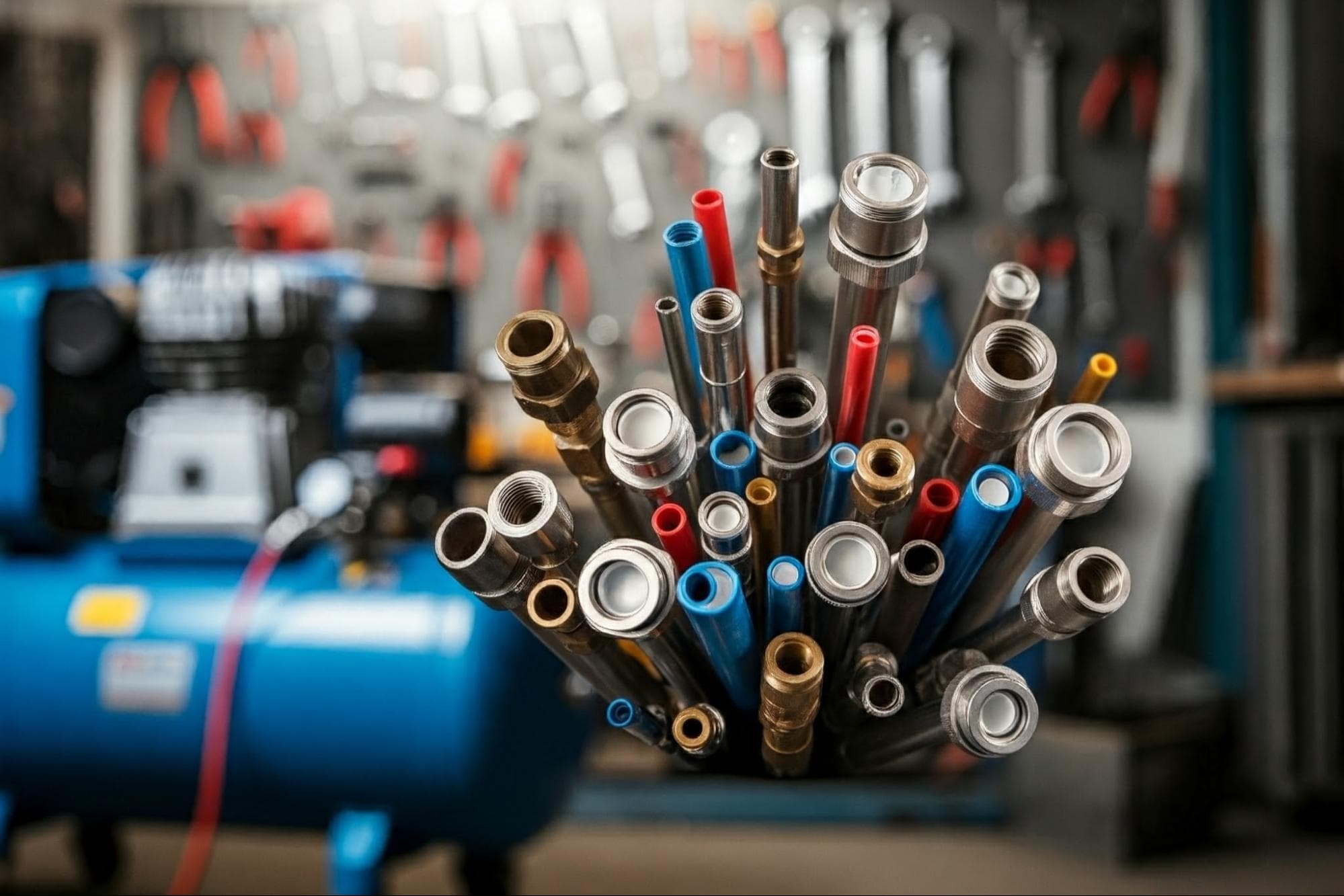
Various materials are used for compressed air pipes, each with its own advantages and disadvantages:
1. Galvanized Steel Pipe
This traditional choice is known for its strength and durability. However, it can be prone to rust and corrosion over time, especially in humid environments.
2. Black Iron Pipe
Black iron pipe is another strong and durable option, but it’s also susceptible to rust and corrosion. It’s often used in applications where rust is not a major concern, such as outdoor air lines.
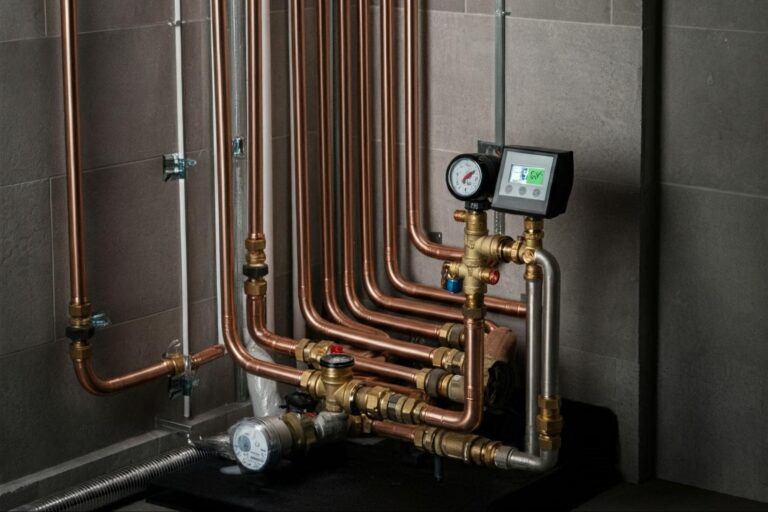
3. Copper Pipe
Copper pipe is corrosion-resistant and offers good flow characteristics. However, it’s more expensive than steel or plastic options and can be susceptible to damage from vibration.
4. PVC Pipe
PVC (polyvinyl chloride) pipe is a lightweight and affordable option that is resistant to corrosion. It’s easy to install and is suitable for low-pressure applications. However, it’s not as strong as metal pipes and can be damaged by heat or UV exposure.
5. PEX Pipe
PEX (cross-linked polyethylene) pipe is a flexible and durable option that is resistant to corrosion and freezing. It’s easy to install and can be used for both hot and cold water lines, making it a versatile choice for compressed air systems.
6. Aluminum Pipe
Aluminum pipe is lightweight and corrosion-resistant, making it a good choice for applications where weight is a concern. However, it’s not as strong as steel and can be more expensive.
Choosing the Right Pipe for Your Needs
Consider these factors when selecting a compressed air pipe:
1. Application
The type of application will influence your pipe choice. For heavy-duty industrial applications, steel or copper might be preferred. For lighter-duty DIY projects or automotive work, PVC or PEX might be suitable.
2. Pressure and Flow Requirements
Ensure the pipe can handle the required air pressure and flow rate for your tools and equipment. Refer to the manufacturer’s specifications for your air compressor and tools to determine the appropriate pipe size.
3. Environment
Consider the environment where the pipe will be installed. If it’s exposed to moisture, humidity, or corrosive elements, choose a corrosion-resistant material like copper, PVC, or PEX.
4. Budget
Pipe materials vary in cost. Balance your budget with your performance and durability requirements.
5. Installation
Consider the ease of installation for each pipe material. PVC and PEX are generally easier to work with than metal pipes, requiring fewer specialized tools.
Additional Tips for Choosing and Installing Compressed Air Pipe
- Proper Sizing: Using the correct pipe size is crucial for efficient air delivery. Undersized pipes can restrict airflow and lead to pressure drops, while oversized pipes can be more expensive and less efficient.
- Minimize Fittings: Reduce the number of fittings and bends in your compressed air lines to minimize pressure drop and turbulence.
- Proper Support: Support the pipe adequately to prevent sagging and vibration, which can lead to leaks and premature wear.
- Leak Prevention: Use appropriate sealants and thread tapes to prevent leaks at connections.
- Regular Inspection: Inspect your compressed air lines regularly for signs of leaks, corrosion, or damage.
Conclusion
Choosing the right compressed air pipe is essential for creating an efficient and reliable compressed air system in your workshop or garage. By considering factors like application, pressure and flow requirements, environment, budget, and installation, you can select the best pipe material for your needs. Remember, proper installation and maintenance are also crucial for ensuring optimal performance and longevity of your compressed air system. With the right pipe and proper care, you can enjoy the convenience and power of compressed air for all your projects and tasks.
About the Author